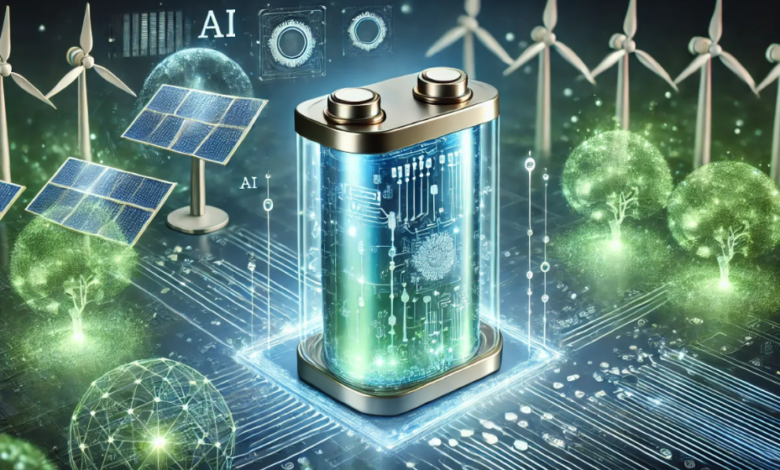
In recent years, energy storage technology has advanced significantly, and one of the most notable innovations is the smart li ion battery. Unlike traditional lithium-ion batteries, smart Li-ion batteries are equipped with intelligent features that optimize performance, safety, and longevity, making them ideal for a wide range of applications from consumer electronics to electric vehicles.
What is a Smart Li-Ion Battery?
A smart Li-ion battery is an advanced form of lithium-ion battery that incorporates built-in electronics to monitor and manage its performance. These batteries include a Battery Management System (BMS) that tracks parameters such as voltage, current, temperature, and state of charge. By continuously monitoring these factors, the battery can prevent overcharging, overheating, and excessive discharge, enhancing safety and efficiency.
See also: Rawrxtiana How to Stay Healthy While Working From Home


Key Features of Smart Li-Ion Batteries
- Battery Management System (BMS):
The core feature of smart Li-ion batteries is the BMS, which ensures optimal performance and prevents damage. It provides real-time data about the battery’s condition, helping extend its lifespan. - Overcharge and Over-Discharge Protection:
Smart Li-ion batteries are equipped to automatically stop charging once they reach full capacity. Similarly, they prevent over-discharge, which can permanently damage the cells. - Temperature Control:
These batteries monitor internal temperatures and can reduce current flow or shut down temporarily to prevent overheating, ensuring safety even in demanding conditions. - Enhanced Lifespan:
By carefully managing charge cycles and preventing stress on the cells, smart Li-ion batteries last longer than traditional batteries. - Communication Capability:
Many smart batteries can communicate with devices via digital interfaces. This allows for accurate monitoring, reporting, and predictive maintenance, especially useful in high-capacity applications like electric vehicles and energy storage systems.
Applications of Smart Li-Ion Batteries
Smart Li-ion batteries have a wide range of applications due to their reliability and advanced features:
- Consumer Electronics: Smartphones, laptops, and wearables benefit from smart batteries that prevent overheating and optimize charging speed.
- Electric Vehicles (EVs): EVs require efficient and safe energy storage, and smart batteries provide critical monitoring for long-distance travel and battery longevity.
- Renewable Energy Systems: Solar and wind power storage systems utilize smart Li-ion batteries to optimize energy storage and reduce energy loss.
- Medical Devices: Devices like portable oxygen concentrators and electronic wheelchairs rely on the precise monitoring provided by smart batteries for safety.
Advantages of Smart Li-Ion Batteries
- Improved Safety: Reduced risk of thermal runaway and fire hazards.
- Longer Lifespan: Optimized charge/discharge cycles extend battery life.
- Efficiency: Intelligent management reduces energy waste.
- Real-Time Monitoring: Users can track battery health and predict maintenance needs.
- Versatility: Suitable for diverse applications across industries.
Challenges of Smart Li-Ion Batteries
Despite their advantages, smart Li-ion batteries face certain challenges:
- Higher Cost: Advanced electronics and sensors increase production costs.
- Complexity: Integrating a BMS and communication modules adds complexity to battery design.
- Weight and Size: Additional components can slightly increase the battery’s weight and size, which may be a consideration for compact devices.
FAQs About Smart Li-Ion Batteries
Q1: How long does a smart Li-ion battery last?
A smart Li-ion battery can last 3-5 years under normal usage, but with proper management and monitoring, its lifespan can be extended further.
Q2: Are smart Li-ion batteries safer than traditional batteries?
Yes. The integrated BMS and temperature monitoring significantly reduce the risk of overcharging, overheating, and short circuits.
Q3: Can smart Li-ion batteries be recycled?
Yes, they can be recycled like regular lithium-ion batteries, but the process requires careful handling due to the electronic components in the smart battery.
Q4: Do smart Li-ion batteries charge faster?
They may not necessarily charge faster, but they optimize charging to prevent damage and ensure maximum efficiency.
Q5: Are smart Li-ion batteries suitable for solar energy storage?
Absolutely. Their monitoring and management features make them ideal for renewable energy applications, ensuring stable and efficient storage.
Conclusion
The smart Li-ion battery represents a significant leap forward in energy storage technology. With integrated intelligence, advanced safety features, and long-term reliability, these batteries are transforming how we power our devices, vehicles, and renewable energy systems. Although they come at a higher initial cost, the benefits in safety, efficiency, and lifespan make smart Li-ion batteries a valuable investment for the future of sustainable and intelligent energy management.